
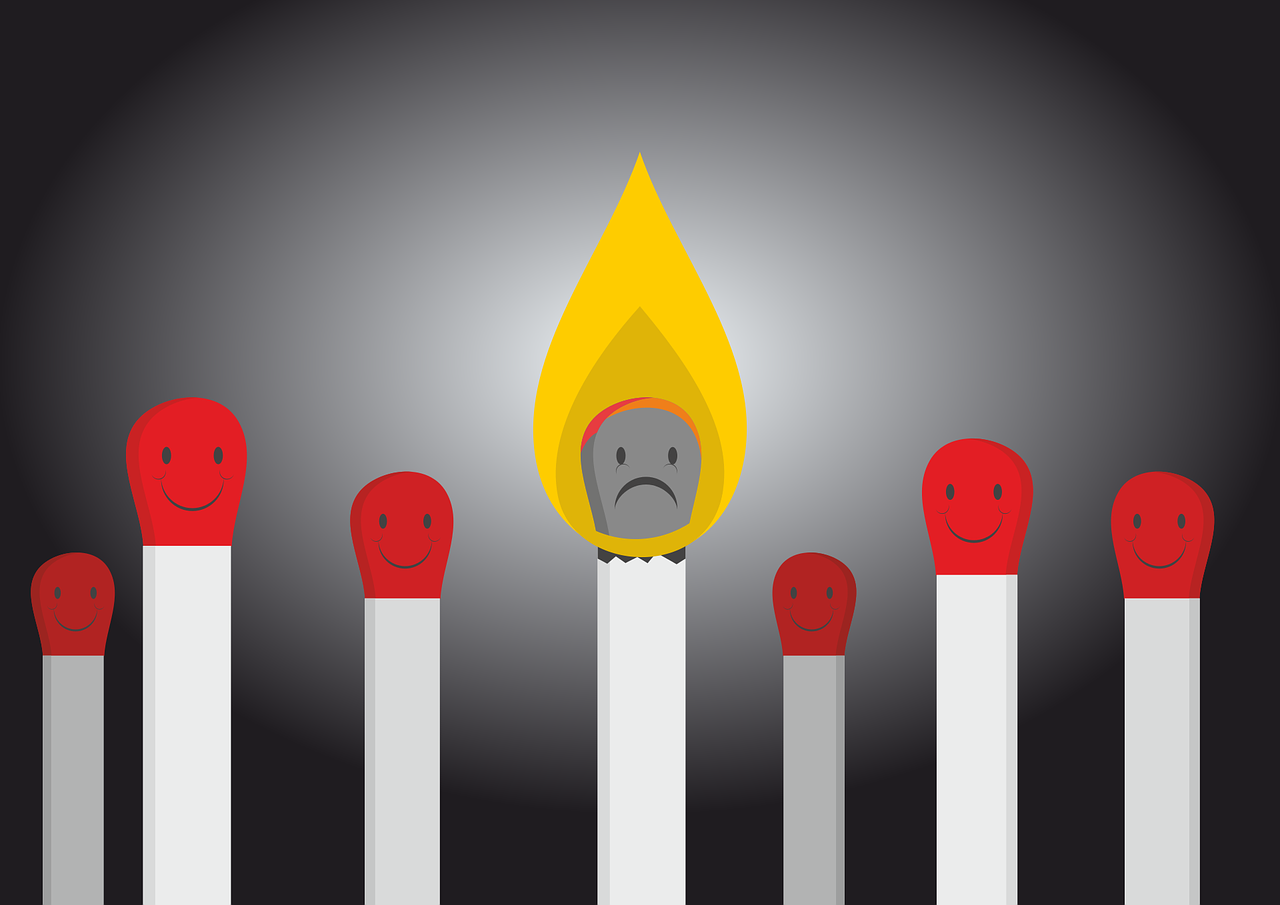
Many of us will at some point opt or be forced by circumstance into taking some form of career break. Be it for research, parental leave, travelling, personal or family illness; the time off allows for a period of reflection and stock-taking that is seldom available to us when we’re on the relentless career hamster wheel. In many cases the hardest part is getting back on the grind having grown accustomed to the relative luxury of waking up AFTER sunrise, having time to go to the gym at a reasonable hour and seeing your kids during the week whilst they’re still awake.
Re-discovering your mojo after a prolonged period away from work can be one of the toughest challenges physicians face, not least those involved in the unrelenting field of trauma care where the rewards of bringing someone back from the brink of death can easily be lost in a sea of violence, carnage and the haunting screams of bereaved families. But away from the emergency side of things we may find ourselves becoming disillusioned through lack of familiarity with changing work practices, a reduction in the perks and perceived prestige that once came with our jobs, changes in personnel and a general sense of having lost touch with the ‘wardcraft’ skills that enabled us to effortlessly command a team of juniors and multi-task to deliver effective care to our patients. Self-doubt and a low sense of personal accomplishment magnify the general sense of misery.
Much of the difficulty is perhaps a realisation of the burnout we were experiencing before our time away from work. Over the past 20 years, physician burnout has become a well-studied field, with up to 50% of surgeons surveyed in the 2015 Medscape Physician Lifestyle Report describing symptoms of burnout, and trauma surgery in particular being highlighted in a separate study as a significant factor.
Among many millennial surgeons such as myself there’s also this inescapable sense of the grass being greener elsewhere. We look to our high school friends and peers who went down different career paths and who make just as much or (more often than not) more money than us doing jobs that ostensibly involve less stress, less blood and faeces and more time with their families. I speak to my friends in finance about how they plan to spend their Christmas bonus, or my travel blogger buddy about their next exotic destination and as much as they respect and revere what I do on a day-to-day basis, I somehow doubt that any of them would swap their lives for mine. A new generation of wanderlusters fuelled on by endless images of ‘earth-porn’ on social media platforms or videos of luxury travel are pursuing life goals and fulfilment away from traditional ‘respectable’ professions and prioritising their lives accordingly.
As my attending points out, there is no shame is admitting that the career you once felt was your calling in life no longer seems as appealing as it once did. The long-term consequences of burnout in terms of patient safety, physician well-being and the smooth running of the trauma service overall are significant and potentially deadly. We owe it to our colleagues and the people we look after to bow out gracefully when the time is right. Stress management workshops and physician well-being programs to address the issues are all well and good, but at the heart of it we need to rediscover what it was that drew us to the profession in the first place. What was it that made me sit in the library at med school reading Top Knife into the early hours? What was it that made me volunteer my weekends away to help run student trauma conferences? What was it that drove me to look for trauma research opportunities and side projects as a medical student and newly qualified doctors?
I believe that somewhere deep down in all of us that flame still burns but is at risk of being smothered by the stresses of academia, financial concerns, the demands of family and (in my case) a crushing sense of self-doubt. Somehow finding the right strategies to address or mitigate all of these is the only long-term route to survival.
Obi Nnajiuba is a British general surgical resident with a specialist interest in trauma, acute care, prehospital care, triage, mass casualty events and trauma systems. His postgraduate qualifications include an MSc in Trauma Sciences and membership of the Royal College of Surgeons of England. He is also a registered Motorsport UK physician, providing trackside advanced trauma care to competitors at world famous motor-racing circuits such as Brands Hatch, Goodwood and Silverstone.